Dirty Frag in Linux explained without jargon: real risk and next steps

Dirty Frag is a Linux local privilege escalation disclosed on May 7, 2026 through Openwall’s oss-security list and quickly discussed by the wider security community. The short version is serious but specific: an attacker who can already run code on a vulnerable Linux system may be able to become root. It is not, by itself, a remote internet break-in. It is a second-stage vulnerability that can make a limited foothold much more damaging.
What happened
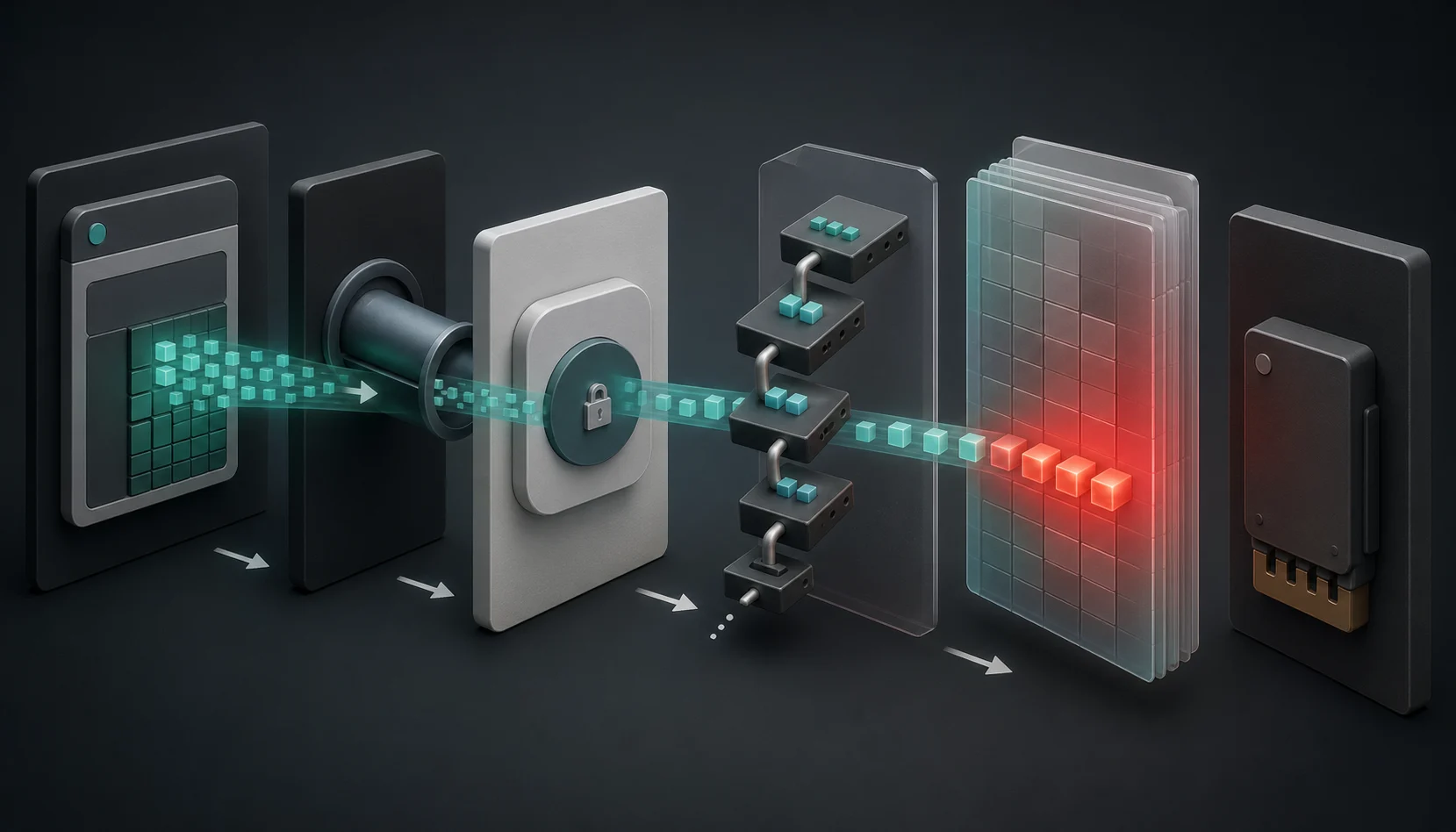
Linux keeps frequently used file data in memory through the page cache. That is normal and essential for performance. Dirty Frag abuses a path where network and cryptographic fragments can end up referring to memory that should not be modified in place. If a kernel path writes to that memory instead of making a private copy first, data backed by a protected file can be changed in memory even when the file on disk still looks unchanged.
This resembles the broader lesson of Dirty Pipe: page-cache bugs are dangerous because they bypass the mental model most administrators use for file permissions. The protected file may not be directly writable, but the live cached page can become the target.
Who should care first
The highest-risk environments are systems where local code is not fully trusted: CI/CD runners, shared development servers, university labs, hosted notebooks, Kubernetes nodes, container hosts and platforms that execute customer or plugin code. A single-user laptop is usually lower risk, but malware that already runs locally could still use the issue to gain more control.
For cloud users, remember that containers share the host kernel. Updating an application container is not enough. The vulnerable component is the kernel running on the node or virtual machine.
What to do
Track advisories from your Linux distribution, cloud provider or appliance vendor. Apply kernel updates through official channels and reboot or replace nodes so the fixed kernel is actually running. Until then, reduce local exposure: isolate untrusted builds, use ephemeral CI runners, avoid mixing workloads of different trust levels and limit secrets available to jobs that process external code.
Do not test public proof-of-concept code on production systems. Use version inventory, vendor advisories and controlled labs. Also do not assume a simple file checksum will detect abuse, because the issue concerns memory-backed cache state.
FAQ
Is Dirty Frag remotely exploitable by itself?
The public material describes local privilege escalation. The attacker needs a prior way to execute code on the machine.
Are containers protected?
Not automatically. Containers share the host kernel, so the host or Kubernetes node must be patched.
Is this the same as Dirty Pipe?
No. It is a different issue, but it belongs to the same risk family around unsafe page-cache modification.
What should be patched first?
Multi-user hosts, CI/CD runners, container nodes and systems that execute untrusted or third-party code.
Sources
You might also like

Copy Fail on Linux explained without jargon: what CVE-2026-31431 means
Copy Fail, CVE-2026-31431, lets a local Linux user gain higher privileges. Here is the real risk without exploit steps or unnecessary jargon.
April 29, 2026

Copy Fail in Chile: impact on servers, cloud and critical services
How CVE-2026-31431 affects Chile: Linux servers, cloud platforms, CI/CD, Kubernetes, SaaS providers and cybersecurity obligations.
April 29, 2026
Copy Fail technical analysis: AF_ALG, splice and page cache behind CVE-2026-31431
Defensive technical analysis of Copy Fail: how AF_ALG, splice, authencesn and page cache combine in CVE-2026-31431.
April 29, 2026